How to Choose a Genre for Your Playable Novel

Choosing the right genre for a playable novel as a beginner is the single most important decision you will make before your first story unfolds. Interactive novels, also called playable fiction or choice-based narratives, combine traditional storytelling with player decisions, dice mechanics, and branching outcomes. Genre sets the tone, the rules, and the emotional payoff you can expect. Get it right, and you will be hooked from chapter one. Get it wrong, and you may abandon a format you would have loved under different circumstances. This guide walks you through how to assess your interests, understand beginner novel genres, and use modern AI tools to find your perfect fit.
How to choose genre playable novel beginner: why it matters
Genre is not a creative cage. Genre positions your experience by signaling what kind of story you are entering, what emotional beats to expect, and where to find communities of players who share your taste. For beginners in interactive storytelling, this signal is everything.
Think of genre as a map key. Without it, you are reading symbols without meaning. With it, you know whether you are heading into a cozy mystery where every clue matters, a sprawling fantasy where your choices reshape kingdoms, or a sci-fi thriller where moral decisions carry real weight. Each of these experiences demands a different mindset from the player.
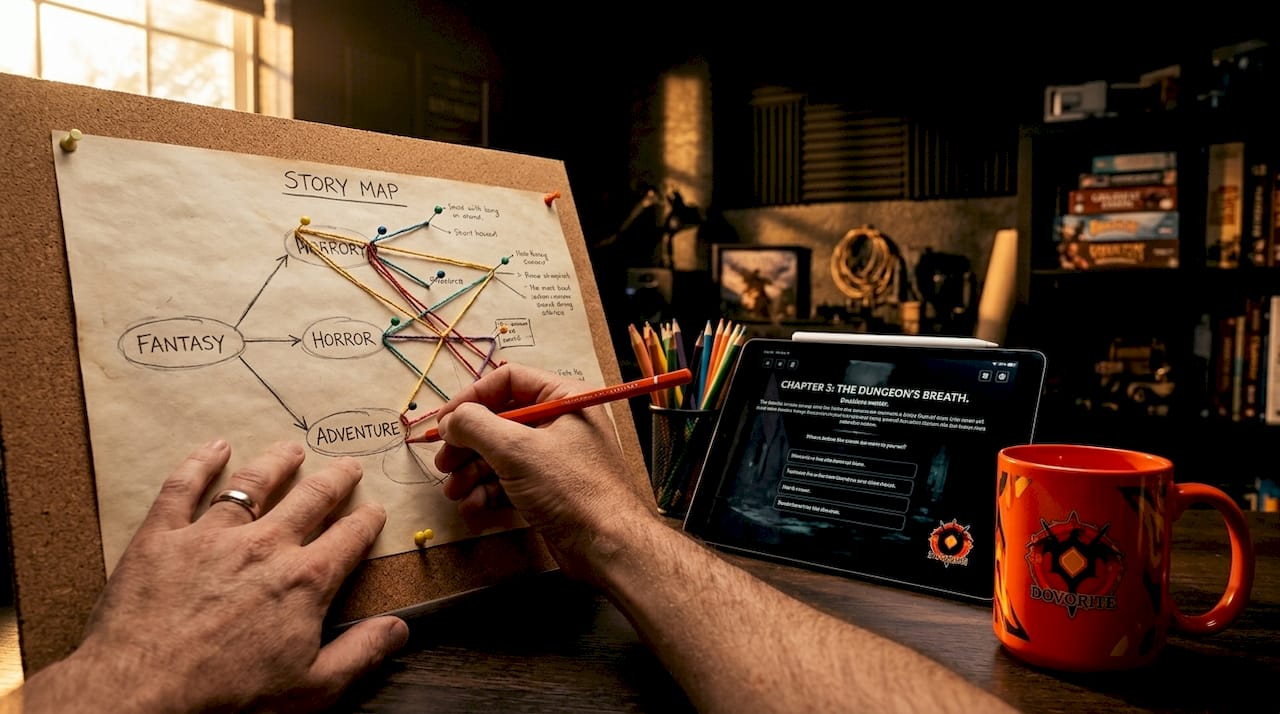
Genre also shapes gameplay mechanics in playable novels. Fantasy genres tend to feature combat systems, skill trees, and world-building lore. Romance-driven interactive fiction prioritizes relationship stats and dialogue choices. Mystery formats reward careful reading and deduction. Knowing the genre upfront tells you what skills to develop and what to pay attention to.
Here is what genre does for you as a beginner:
- Sets expectations so you are not surprised by dark themes or complex mechanics
- Connects you to communities of players who discuss the same stories and share tips
- Helps you find more content once you finish one title and want something similar
- Reduces decision fatigue by narrowing thousands of available titles to a relevant shortlist
- Signals pacing so you know whether you are in for a slow burn or a fast-moving plot
Pro Tip: Browse community forums like Reddit’s r/interactivefiction before committing to a title. Players there openly discuss which genres suit newcomers and which ones have steep learning curves.
How to assess your interests before selecting a genre
The most reliable way to pick the right genre is to start with what you already enjoy. Mismatched genre choices are the leading reason beginners disengage from interactive media early. Prioritizing what you want from the experience, whether that is relaxation, challenge, or deep story immersion, directly determines which genre will satisfy you.
Work through this process before you pick your first playable novel:
- Identify your primary goal. Are you looking to unwind after work, or do you want a mental challenge? Relaxation points toward cozy mystery or romance. Challenge points toward strategy-heavy fantasy or sci-fi.
- Look at your existing entertainment habits. If you read thriller novels, mystery playable fiction is a natural fit. If you watch fantasy series, a choice-based fantasy adventure will feel familiar. Your existing tastes are the best predictor of genre satisfaction.
- Consider your tolerance for complexity. Some genres, particularly sci-fi and political fantasy, carry dense lore and branching decision trees. Romance and contemporary fiction tend to be more linear and emotionally accessible.
- Decide how much time you want to invest per session. Short-form interactive stories in the horror or slice-of-life genres can be completed in 20 minutes. Epic fantasy adventures from platforms like Dovorite Chronicles are built for extended play across multiple sessions.
- Think about themes you want to explore. Betrayal, redemption, found family, survival. Every genre has dominant themes. Knowing which themes move you emotionally will narrow your options fast.
Once you have answered these five questions, you will have a clear profile of your ideal genre. Most beginners skip this step and pick based on cover art or trending titles. That is the fastest path to disappointment.
Beginner-friendly playable novel genres: features and examples
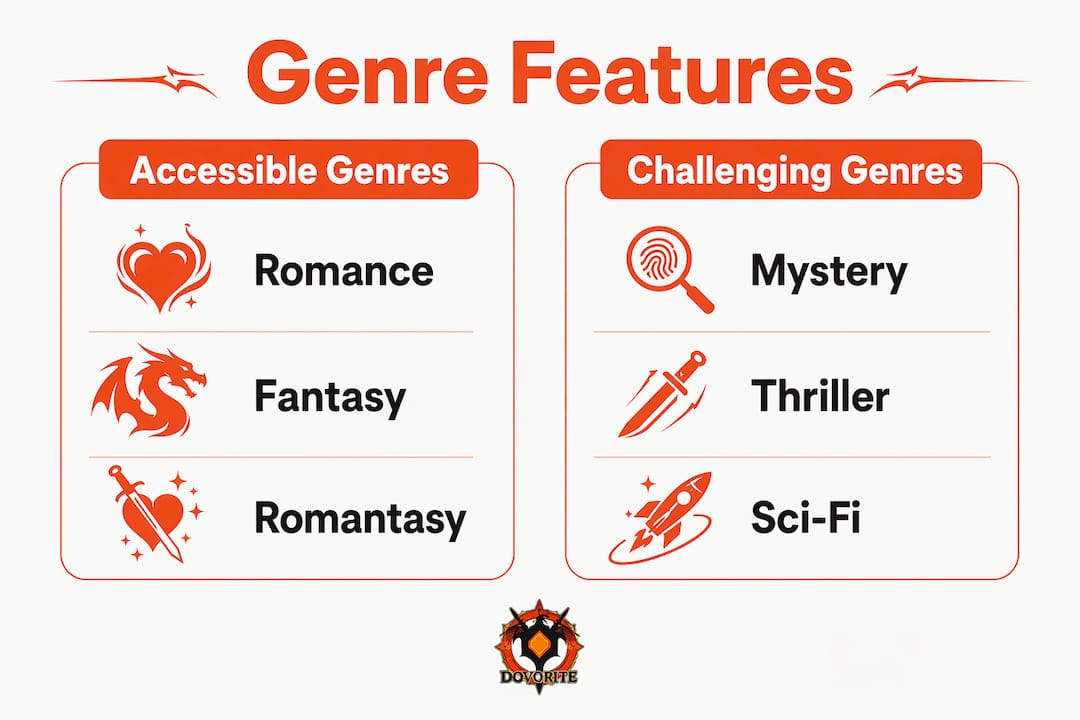
Not every genre is equally accessible for new players. Some reward patience and prior knowledge of tropes. Others are designed to welcome you immediately. Here is a breakdown of the best genres for newbies in interactive storytelling.
| Genre | Accessibility | Complexity | What to expect |
|---|---|---|---|
| Fantasy | High | Medium | World-building, combat, moral choices |
| Romance | Very High | Low | Relationship stats, dialogue trees, emotional arcs |
| Mystery | High | Medium | Clue tracking, deduction, multiple endings |
| Sci-Fi | Medium | High | Lore-heavy, tech systems, ethical dilemmas |
| Horror | High | Low to Medium | Atmosphere, survival choices, short sessions |
| Hybrid (Romantasy, Sci-Fi Western) | Very High | Low to Medium | Flexible tropes, genre-blending freedom |
Fantasy is the most popular entry point for beginners. Titles like The Living Ink Chronicles on Dovorite offer rich world-building with accessible mechanics, making them ideal for players who want depth without overwhelming complexity. Romance interactive fiction is the most forgiving genre mechanically, with clear emotional feedback loops that tell you immediately whether your choices are working.
Genre blending is standard within interactive fiction, and it is beginner-friendly by design. Romantasy, which merges romance and fantasy, lets you select tropes from both categories without committing to the full weight of either. Most interactive platforms support multi-genre story generation, so you are never forced into a rigid box.
Mystery is worth highlighting separately. It trains you to read carefully and think critically, which makes you a better player across all genres. Starting with mystery actually improves your performance in other genres over time because it builds the habit of paying attention to narrative detail.
Pro Tip: If you are genuinely unsure which genre fits, start with a hybrid title. Dovorite’s Fairy Shenanigans blends light fantasy with humor and accessible mechanics, making it one of the most welcoming entry points for new players.
How do AI tools simplify genre selection for beginners?
AI-powered story generators have changed what it means to explore playable fiction for beginners. Tools like par-storygen use an 8-step wizard setup that lets you customize theme, tone, art style, and reader complexity before your story begins. This means you can experiment with genre without committing to a title that may not fit.
The practical impact is significant. Before AI tools, creating or customizing a playable novel required weeks of writing, coding, and playtesting. AI reduces that process to minutes. For beginners who are still figuring out which genre they prefer, this is a low-stakes way to sample multiple genres quickly.
Reader complexity settings are one of the most underrated features. Advanced systems offer vocabulary presets by age and skill level, ranging from early readers to adult complexity. This means a beginner who finds dense fantasy prose intimidating can dial the language down without losing the genre experience. As your comfort grows, you raise the setting.
| AI feature | What it does for beginners |
|---|---|
| 8-step wizard | Guides genre, tone, and theme selection before story starts |
| Reader complexity presets | Matches vocabulary and narrative density to your skill level |
| Art style customization | Sets visual tone to match genre expectations |
| Multi-genre support | Allows hybrid genre creation without technical knowledge |
Dovorite builds these principles into its platform. Every title in the story library is designed with branching AI-driven narratives that adapt to your choices, giving beginners a forgiving environment to learn genre conventions through play rather than study.
Common mistakes beginners make when choosing a playable novel genre
Even with good intentions, beginners consistently fall into the same traps when selecting genre playable novel experiences. Knowing these pitfalls in advance saves you hours of frustration.
- Choosing based on trends alone. A genre that dominates social media may not match your personal goals. Romantasy is everywhere in 2026, but if you have no interest in relationship mechanics, you will not enjoy it regardless of how popular it is.
- Committing too early to one genre. Experts recommend focused exploration of one major category to build familiarity, but this does not mean locking yourself in permanently. Sample broadly in your first month.
- Skipping the demo or sample chapters. Most platforms offer free entry points. Playing a 15-minute sample tells you more about genre fit than any description.
- Ignoring community feedback. Solo play in certain hybrid formats can be poorly balanced for single players until patches improve the experience. Community forums and patch notes tell you which titles are currently in good shape for solo beginners.
- Treating genre as a permanent identity. Your genre preferences will shift as you gain experience. The fantasy player you are today may become a mystery enthusiast in six months. That is not inconsistency. That is growth.
- Underestimating the value of extensive reading within a genre. Experiencing a genre broadly reveals its storytelling possibilities far more effectively than reading one title and forming a fixed opinion.
The core mistake underneath all of these is impatience. Genre fluency in interactive fiction takes time. Give yourself permission to explore without pressure.
Key takeaways
Beginners who match their personal goals to genre characteristics, then use AI tools to sample and customize, consistently find more satisfying playable novel experiences than those who choose based on trends or guesswork.
| Point | Details |
|---|---|
| Genre sets expectations | Knowing your genre prevents mismatched experiences and early disengagement. |
| Personal goals drive genre fit | Identify whether you want relaxation, challenge, or immersion before selecting. |
| Hybrid genres are beginner-friendly | Romantasy and similar blends let you explore tropes without rigid category commitment. |
| AI tools reduce the barrier | Platforms with complexity presets and wizard setups let beginners sample genres in minutes. |
| Community input matters | Forums and patch notes help beginners avoid poorly balanced solo experiences. |
Why I stopped overthinking genre and started playing
When I first encountered playable fiction, I spent two weeks reading genre descriptions instead of actually playing anything. I was convinced that picking the wrong genre would ruin the experience. It did not. What actually ruined my early sessions was choosing titles based on what looked impressive rather than what matched my mood.
The shift happened when I tried a hybrid romantasy title on a whim. It was not the genre I had planned to start with. But the accessible mechanics and emotional feedback loops pulled me in immediately. That single session taught me more about my own preferences than all the research I had done beforehand.
My honest advice: treat your first three playable novels as experiments, not commitments. Use AI customization tools to adjust complexity settings if a story feels too dense. Check community forums before starting a solo run in any multiplayer-origin format. And do not let the breadth of available genres intimidate you. The Dovorite blog covers interactive storytelling genres in depth if you want structured guidance, but the fastest path to finding your genre is simply playing.
Genre blending is not a compromise. It is often where the most interesting interactive fiction lives. The players who enjoy this format most are the ones who stay curious and keep sampling rather than locking into a single category too early.
— Corban
Start your playable novel journey with Dovorite
If you are ready to move from research to play, Dovorite is built for exactly this moment. The platform offers a growing library of AI-driven playable novels across fantasy, hybrid, and adventure genres, each designed with beginner accessibility in mind.

The Living Ink Chronicles delivers branching fantasy storytelling with AI-powered narrative adaptation, making it one of the strongest entry points for new players. Fairy Shenanigans offers a lighter, humor-forward fantasy experience for players who want low-stakes exploration. Every title on Dovorite features dynamic choice mechanics and replayability built in, so no two runs feel identical. Explore the full catalog and find the genre that fits the story you want to live at Dovorite Chronicles.
FAQ
What is a playable novel?
A playable novel is an interactive story where your choices shape the plot, characters, and outcomes. Unlike traditional fiction, playable novels combine narrative reading with decision-making mechanics, often including dice rolls or stat systems.
Which genre is easiest for interactive fiction beginners?
Romance and light fantasy are the most accessible beginner novel genres because they offer clear emotional feedback and low mechanical complexity. Hybrid genres like romantasy are also strong starting points.
How do I know if a genre is right for me?
Match the genre to your primary goal. If you want relaxation, choose romance or cozy mystery. If you want challenge and depth, try fantasy or sci-fi. Personal goals directly determine which genre will satisfy you most.
Can I mix genres in a playable novel?
Yes. Genre blending is standard in interactive fiction, and most platforms support multi-genre story generation. Beginners are not required to commit to a single pure category.
How long does it take to get comfortable with a genre?
Experts suggest it takes significant engagement to fully understand the conventions of one major fiction category. Start with one genre, play multiple titles within it, and your fluency will build naturally over time.